Trees add character, shade and natural beauty to gardens, but they also require appropriate care to remain healthy and safe. Over time, branches can become damaged, growth may become difficult to manage, and signs of disease or decay can develop. Knowing when to contact a professional tree surgeon helps homeowners address these issues before they become more serious.
For property owners in Thornbury, Gloucestershire, regular tree inspections and timely maintenance can help protect surrounding buildings, gardens and outdoor spaces. EM Tree Surgery Thornbury provides professional tree care services to help manage tree health, maintain suitable growth and identify potential hazards.
Common Signs That You Need a Professional Tree Surgeon
Recognising changes in a tree’s condition is an important part of responsible garden maintenance. Some issues can develop gradually, while others may become apparent following strong winds or heavy rainfall. The following signs indicate when professional advice may be beneficial.
Dead, Broken or Hanging Branches
Dead branches can become brittle and fall without warning, particularly during adverse weather. Broken or hanging limbs may also pose a risk to people, vehicles, garden structures and nearby property.
Look for branches without leaves during the growing season, sections with damaged bark, or limbs that appear cracked or partially detached. However, some trees naturally shed smaller branches, so the significance of the signs depends on the species, season and overall condition.
A professional tree surgeon can assess whether affected branches need pruning or removal and determine the safest approach to the work.
Signs of Disease or Decay
Changes in a tree’s foliage, bark or growth can indicate disease, pest activity or environmental stress. Possible warning signs include unusual leaf discolouration, premature leaf loss, dead sections in the canopy, damaged bark and fungal growth around the trunk or base.
Fungi growing on a tree may sometimes indicate decay within the wood, although not every fungal growth means the tree is structurally unsafe. A proper assessment is needed to understand the potential implications.
Early intervention can help identify the cause of deterioration and establish whether pruning, ongoing monitoring or other tree care measures are appropriate.
Cracks in the Trunk or Major Limbs
Large cracks, splitting branches and areas of damaged wood should not be ignored. These defects may weaken a tree’s structure, particularly where a major limb extends over a pathway, driveway or frequently used part of the garden.
Also look for cavities, loose bark and areas where the trunk appears to be separating. While some trees develop natural features that are not immediately dangerous, significant structural changes deserve professional attention.
Avoid attempting to investigate or repair major defects yourself. A qualified tree surgeon can assess the tree’s condition and recommend suitable action.
A Noticeable Lean or Exposed Roots
Some trees naturally grow at an angle, so a leaning trunk does not automatically indicate a problem. However, a recent change in the tree’s position may suggest root movement or instability.
Warning signs can include disturbed soil around the base, newly exposed or lifted roots, cracks in the ground and a sudden change in the trunk’s angle. These issues may become more noticeable after heavy rain or strong winds.
If a tree appears to have shifted suddenly, keep people away from the surrounding area and seek professional advice promptly. Do not attempt to pull, straighten or secure a potentially unstable tree yourself.
Overgrown Branches Near Buildings
Trees that grow close to houses, garages, sheds or other structures may require periodic pruning to maintain suitable clearance. Branches can rub against roofs and walls, interfere with access or obstruct light from windows.
Excessive growth can also affect the balance and appearance of a tree if it is managed incorrectly. Cutting back too much foliage at once may cause unnecessary stress or encourage unsuitable regrowth.
A professional tree surgeon can recommend appropriate pruning that considers the tree’s species, growth pattern and long-term health.
When Is Tree Pruning or Crown Reduction Necessary?
Tree surgery is not only about removing damaged trees. Routine pruning can help maintain healthy growth, improve structure and manage branches that have become unsuitable for their surroundings.
Crown thinning involves selectively removing branches to reduce the density of the canopy while retaining its overall shape. Crown reduction reduces the overall size of the canopy where appropriate, while careful pruning can remove dead, diseased or crossing branches.
The right method depends on the tree’s condition, species, location and purpose. Excessive or poorly timed cutting can damage a tree and affect its natural development, so work should be planned carefully rather than based solely on appearance.
In Thornbury, Gloucestershire, professional guidance can help homeowners maintain trees in a way that supports their health while keeping gardens practical and well managed.
Why Professional Tree Surgery Matters
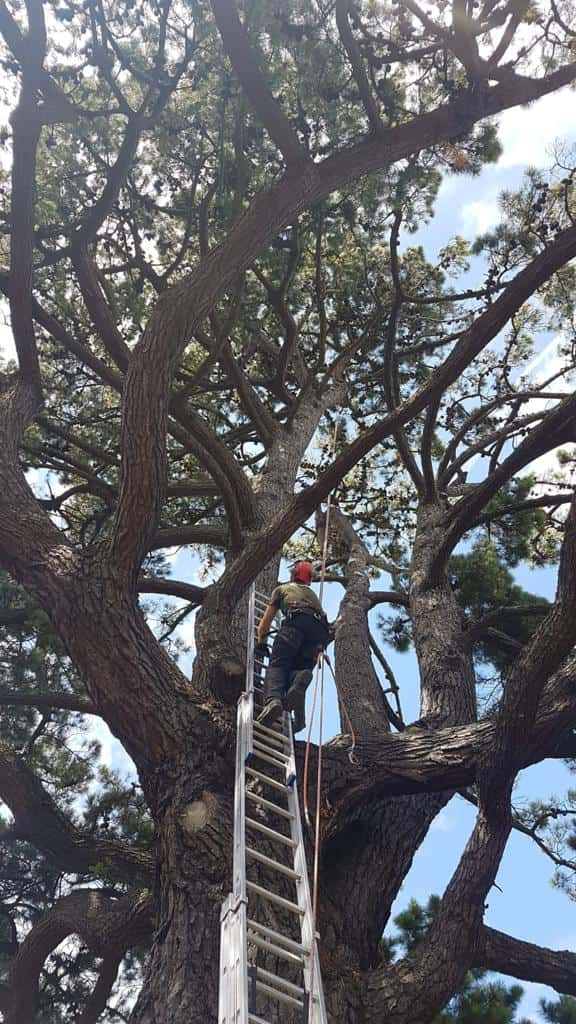
Tree surgery often involves working at height, handling heavy branches and using specialist equipment. Attempting complex pruning or tree removal without the appropriate training and equipment can put people and nearby property at risk.
A professional tree surgeon can assess the tree, identify potential hazards and select a suitable method for carrying out the work. They can also explain whether a tree needs immediate attention, routine maintenance or further monitoring.
Choosing the right approach helps avoid unnecessary removal and supports the long-term condition of trees wherever possible.
Tree Surgery Services in Thornbury, Gloucestershire
Whether you have noticed dead branches, unusual growth, structural damage or a tree that has become difficult to manage, seeking advice early can help you understand the available options.
EM Tree Surgery Thornbury can assist homeowners in Thornbury, Gloucestershire, with professional tree care tailored to the condition of their trees and the needs of their outdoor spaces. From routine pruning to assessing more serious concerns, an informed approach helps keep tree maintenance manageable and appropriate.
If you are unsure whether a tree requires attention, a professional assessment can provide clarity before the problem develops further.
Conclusion
Knowing when to hire a tree surgeon can help protect tree health and reduce the risks associated with damaged, diseased or unstable growth. Dead branches, fungal growth, trunk cracks, sudden leaning and overgrown limbs are all signs worth investigating.
Regular monitoring and timely professional care can help keep trees healthy, maintain their appearance and protect the surrounding garden. If you have concerns about a tree on your property, contact EM Tree Surgery Thornbury to discuss your requirements and arrange suitable professional advice.
Call us on: 01454 802 782
Click here to find out more about EM Tree Surgery Thornbury
Click here to complete our contact form and see how we can help with your tree care needs.